The Emergency Savings Crisis Quietly Growing in America
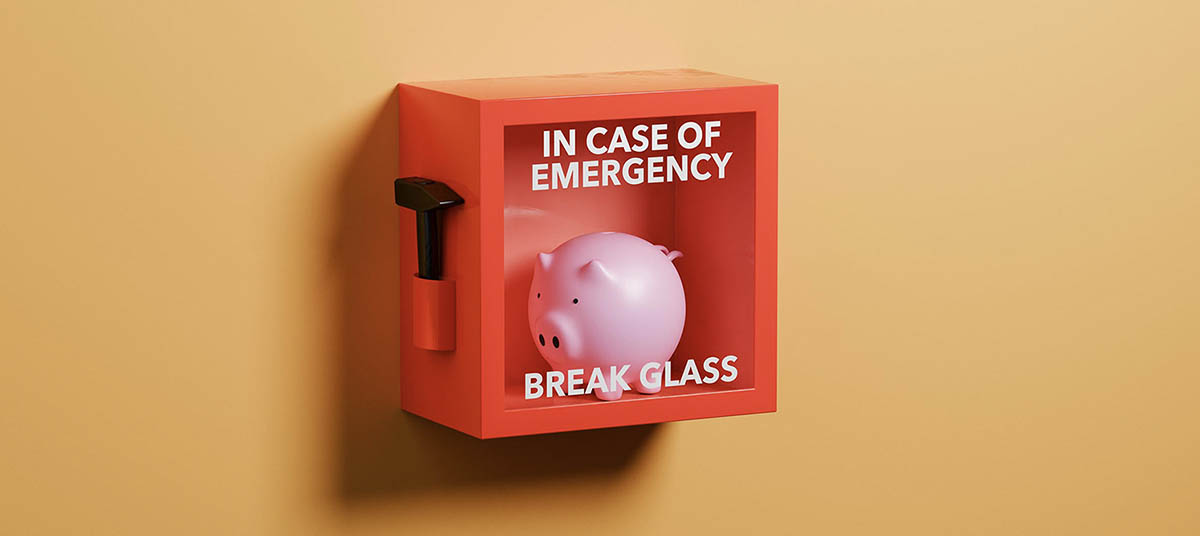
Why So Many People Feel Financially Vulnerable Right Now — Even If They’re Working Hard and Making Decent Money
For a lot of people right now, financial stress doesn’t look dramatic from the outside.
They’re still working.
Still paying bills.
Still showing up every day.
Still trying to be responsible.
But underneath?
There’s a growing feeling that things have become… financially fragile.
That one unexpected expense could create a real problem.
A car repair.
A medical bill.
A surprise insurance increase.
A major home expense.
A last-minute flight.
A few difficult months in a row.
And suddenly, a household that looked “fine” on paper starts feeling financially stretched very quickly.
That’s the quiet financial reality many Americans are navigating right now.
Not complete collapse.
Just very little margin for error.
More Americans Are Relying on Credit Cards Instead of Savings
According to recent Bankrate research, the nation is quietly hitting historic financial pressure points.
Roughly 36% of Americans now report having more credit card debt than emergency savings — the highest percentage recorded since Bankrate began tracking the data over a decade ago.
Even more concerning?
Nearly 1 in 4 Americans report having no emergency savings at all.
That’s a major shift.
Because for many households, credit cards have quietly become the emergency fund.
Not because people are irresponsible.
But because life became significantly more expensive over the last several years.
Groceries cost more.
Insurance costs more.
Housing costs more.
Utilities cost more.
Everyday life simply requires more cash flow than it used to.
And while incomes may have increased for some households, expenses often rose right alongside them.
Sometimes faster.
A Lot of Financially Responsible People Still Feel Behind
This is an important point.
Many people experiencing financial stress are not reckless spenders.
They’re people who:
work full-time
budget reasonably well
pay their bills
try to save consistently
avoid unnecessary debt
And yet…
They still feel financially anxious.
Because modern financial pressure often isn’t caused by one terrible decision.
It’s usually the accumulation of smaller pressures happening all at once:
Inflation fatigue from rising grocery, utility, and everyday living costs
Compounding debt payments used to bridge temporary cash flow gaps
Higher insurance premiums and housing costs that quietly consume more income
Childcare and healthcare expenses that continue rising faster than many paychecks
Subscription creep and lifestyle inflation that slowly increase monthly obligations
The result?
A growing number of households feel like they’re working harder just to maintain stability.
Emergency Savings Used to Feel Optional. Now They Feel Essential.
A few years ago, emergency savings often felt like a “nice goal.”
Now?
For many people, it feels more like financial survival equipment.
Because uncertainty feels higher.
Layoffs happen faster.
Unexpected expenses feel larger.
Debt is more expensive to carry.
And recovering financially from emergencies often takes longer.
That’s why financial advisors consistently emphasize something simple but powerful:
Cash reserves create breathing room.
Not perfection.
Not overnight wealth.
Breathing room.
The ability to absorb a surprise expense without immediately turning to high-interest debt.
That matters emotionally just as much as financially.
The Real Problem Usually Isn’t One Big Expense
This is where many households quietly struggle.
Financial stress often doesn’t come from one catastrophic moment.
It comes from repeated smaller pressures:
increased grocery bills
higher utility costs
insurance increases
unexpected school expenses
rising debt payments
subscription creep
using credit cards to bridge temporary gaps
several “small emergencies” happening back-to-back
Individually, each expense feels manageable.
Together?
They slowly erode financial stability over time.
And because the pressure builds gradually, many people don’t fully realize how financially stretched they’ve become until they suddenly feel stuck.
Credit Cards Quietly Become the “Backup Plan”
For many households, credit cards gradually become:
the emergency fund
the cash flow buffer
the temporary solution
the “I’ll figure it out later” tool
And in the short term, that can feel manageable.
Until interest starts compounding.
Because with average credit card interest rates now hovering above 21%, carrying balances has become dramatically more expensive than it was even a decade ago.
That changes the math significantly.
A few thousand dollars of revolving debt can quickly become difficult to escape when minimum payments are consumed largely by interest charges instead of reducing the principal balance.
That’s one reason financial stress feels heavier right now for so many households.
Debt itself became more expensive, too.
Financial Stress Is Emotional — Not Just Mathematical
This part matters.
Money stress affects:
sleep
relationships
confidence
mental health
decision-making
long-term planning
And many people are carrying quiet financial anxiety they don’t openly talk about.
The constant feeling of:
being slightly behind
financially exposed
underprepared
one emergency away from stress
…takes a real emotional toll over time.
Especially for younger families, middle-income households, and people trying to balance rising costs while still planning for the future.
The Good News: Small Financial Systems Matter More Than Perfection
This is where people often become discouraged.
They assume financial stability requires:
massive income increases
perfect budgeting
eliminating all discretionary spending
never making financial mistakes
But financial stability usually improves through smaller, consistent habits over time.
Things like:
building even a modest emergency fund
tracking spending more consistently
reducing high-interest debt
reviewing recurring subscriptions
improving cash flow visibility
automating savings gradually
planning ahead for irregular expenses
None of those habits are flashy.
But together, they create resilience.
And resilience matters during financially uncertain periods.
Financial Visibility Reduces Financial Anxiety
One of the most overlooked benefits of budgeting and financial planning is emotional clarity.
Because uncertainty becomes much scarier when people don’t fully know:
where their money is going
how much debt they’re carrying
which expenses are increasing
how much cash flow they actually have
what would happen during an emergency
Clear financial visibility helps people make calmer, more intentional decisions.
Not fear-driven ones.
And that’s often the first meaningful step toward improving financial stability.
This Isn’t About Fear — It’s About Preparation
This article isn’t meant to suggest people should panic.
In fact, the opposite.
The goal is simply to recognize that financial pressure has become more common — and that building stronger financial systems matters more than ever.
Not because anyone expects perfection.
But because preparation creates options.
And options reduce stress.
Final Thought
A lot of Americans are quietly carrying more financial stress than they admit.
Not because they failed.
But because the financial environment became more expensive, less predictable, and harder to navigate over time.
The good news?
Financial resilience does not usually happen all at once.
It’s built gradually through visibility, planning, consistency, and small decisions repeated over time.
And even modest emergency savings can create something many people desperately need right now:
A little breathing room.
Need Help Improving Financial Visibility or Planning Ahead?
Building stronger financial habits often starts with understanding where your money is going, identifying areas of pressure, and creating a plan that feels realistic and sustainable.
A proactive financial review may help improve visibility, reduce stress, and create a stronger foundation for long-term financial stability.
Want our best tax and accounting tips and insights delivered to your inbox?
Sign up for our newsletter.